Source Automatic Cartoon Bubble Blower for Kids, Parties, and Events
Find 30 automatic cartoon bubble blower options from China. Compare models like HGWB-09 and JY-A0474, featuring ABS plastic, CE/ENASTM certifications, and various age ranges for children's entertainment and promotional use; compare the available evidence and request quotations based on your requirements.
Key considerations
Products List
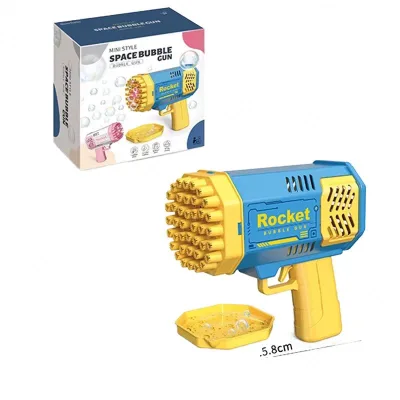


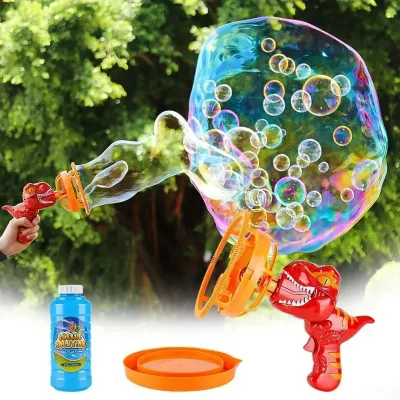


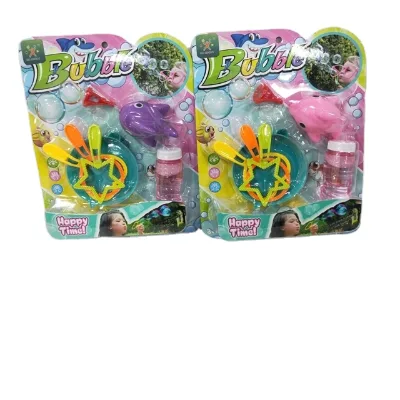

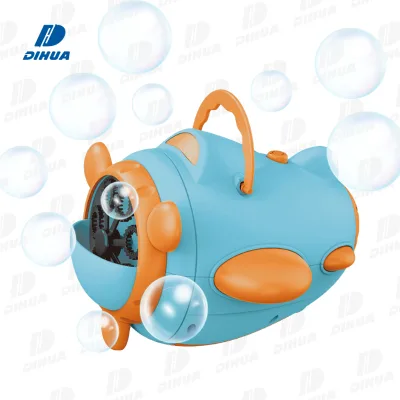



Comprehensive Sourcing Guide
Automatic Cartoon Bubble Blower Sourcing Guide
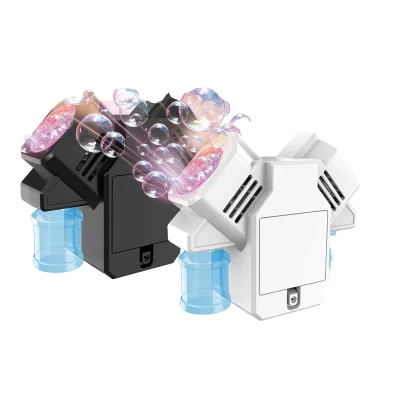
Sourcing an automatic cartoon bubble blower requires identifying products that blend playful aesthetics with reliable mechanical function for children aged 2 to 13 years. The market offers distinct variations, ranging from handheld electric bubble guns to stationary units designed for outdoor recreation and promotional events. Buyers must distinguish between simple plastic toys and more complex ABS-based machines that generate consistent bubble streams for extended periods.
Procurement decisions should prioritize the intended usage environment, whether for indoor parties, outdoor festivals, or commercial promotions. The observed product range includes items with specific model numbers like HGWB-09 and JY-A0474, indicating diverse design approaches from different manufacturers. Understanding these distinctions helps buyers select units that match their specific event scale and target demographic without overpaying for unnecessary features.
Product Scope and Observed Listing Signals
The available inventory demonstrates a wide spectrum of configurations, including animal-shaped toys and cartoon-style bubble generators with full-color logo printing capabilities. Listings indicate that customization is available, allowing buyers to tailor products for specific branding needs or promotional campaigns. The observed price range spans from $0.05 to $100, reflecting significant variation in material quality, battery capacity, and production complexity across different suppliers.
Buyers should carefully evaluate the single package size and gross weight to determine logistics costs, as dimensions vary from compact 1x1x1 cm units to larger 16.5x16.5x9 cm packages. The minimum order quantities observed range from 10 pieces to 30,000 units, offering flexibility for both small retailers and large distributors. It is critical to verify if the listed selling units are single items or bulk cartons to avoid unexpected shipping expenses or inventory mismatches.
Technical Specifications to Verify
Technical due diligence must focus on the material composition, specifically distinguishing between standard plastic and durable ABS types used in electric bubble guns. The product data highlights specific model identifiers such as RFD446153 and RFD374087, which often correlate with unique packing standards and volume calculations like 0.181 cbm or 0.381 cbm. Verifying these specifications ensures the selected unit meets the required durability and performance standards for the intended age group.
Buyers need to confirm the power source and bubble generation mechanism, as some units are handheld while others are stationary electric machines. The age range specifications, covering groups from 2 to 4 years up to 8 to 13 years, dictate the necessary safety features and operational complexity. Ensuring the product matches the correct age bracket is essential for preventing misuse and maintaining user satisfaction across different customer segments.
Compliance and Safety Documentation
Safety compliance is paramount for toys intended for children, requiring verification of certifications such as ENASTM and CE before finalizing any purchase. The observed listings explicitly mention these standards, but buyers must request current test reports to confirm that the specific batch meets the latest regulatory requirements for the target market. Relying solely on the presence of a certification label without supporting documentation poses a significant risk of non-compliance during customs clearance.
Procurement teams should also investigate the specific standard codes referenced in the product data, such as 0.181/cbm or 0.333/cbm, which may relate to packaging density or volume safety limits. While some background knowledge suggests ASTM F963 and EN 71, the primary focus must remain on the certifications explicitly listed in the supplier's current documentation. Ensuring that the product carries valid, up-to-date safety marks is a non-negotiable step for protecting brand reputation and consumer safety.
Cost Drivers and Commercial Terms
Cost structures for automatic cartoon bubble blowers are heavily influenced by material choices, customization levels, and the complexity of the bubble generation mechanism. The availability of full-color logo printing and customized packaging adds value but also increases the unit price and minimum order requirements. Buyers should analyze the trade-off between lower-priced standard items and higher-cost customized versions to determine the most profitable margin for their specific business model.
Commercial terms must be scrutinized regarding the selling units and packaging types, as some suppliers offer single items while others require bulk carton purchases. The observed MOQs vary significantly, with some suppliers accepting orders as low as 10 pieces while others demand thousands of units. Negotiating flexible terms based on the specific model number and material type can help optimize cash flow and reduce inventory holding costs for smaller buyers.
Supplier Qualification and Quality Control
Supplier qualification should begin with verifying the place of origin, as the data indicates production primarily from Zhejiang and Shantou regions in China. These manufacturing hubs are known for toy production, but buyers must assess the specific factory's capacity to maintain consistent quality across large production runs. Checking the supplier's history with similar model numbers, such as RFD546216 or JY-A0474, provides insight into their technical expertise and reliability.
Quality control protocols must include pre-shipment inspections to verify that the physical attributes match the listed specifications, including color, shape, and weight. The presence of certifications like ENASTM and CE should be cross-referenced with the actual product batch to ensure authenticity. Implementing a rigorous inspection process for the bubble generation function and structural integrity is essential to prevent returns and maintain customer trust in the product line.
Long-Term Procurement Checks
Establishing a long-term partnership requires regular audits of the supplier's ability to maintain consistent product standards and certification validity over time. Buyers should monitor changes in material specifications or packaging standards, as these can impact shipping costs and product safety compliance. Continuous communication regarding updates to safety regulations and market trends ensures that the procurement strategy remains aligned with current industry expectations.
Future procurement plans should account for the scalability of the supply chain, considering the wide range of observed MOQs and lead times. As demand fluctuates, the ability to adjust order volumes without compromising quality or delivery schedules is a key indicator of a reliable supplier. Regularly reviewing the performance of different model numbers and their market reception helps refine the product portfolio and optimize the sourcing strategy for sustained growth.
FAQs
What materials are used in the automatic cartoon bubble blower?
The automatic cartoon bubble blower is made primarily of plastic, with ABS listed for the electric bubble gun models. ABS offers good impact resistance for handheld toys, while general plastic construction keeps production costs manageable. Confirm the specific plastic type and grade with the supplier before ordering, since material details can vary between models such as HGWB-09 and other listed variants.
Which age range is the automatic cartoon bubble blower suitable for?
Listed products cover children from 2 to 13 years depending on the model, with common ranges of 2 to 4 years, 5 to 7 years, and 8 to 13 years. Some items are also marked as unisex. Always check the age grading printed on the specific model you order, because recommended ages differ across designs and affect safety labeling requirements in destination markets.
Can the automatic cartoon bubble blower be customized with my own logo?
Yes, customization is available on listed products, with full-color logo printing and logo sticker imprint options offered. Packaging can also be customized, and color choices include pink and blue on certain models. Ask the supplier for customization minimums, artwork format requirements, and any added cost per unit, since these terms vary by factory and order volume.
What certifications do the automatic cartoon bubble blower products carry?
Listed products show ENASTM and CE certifications, which indicates testing aligned with relevant toy safety requirements. Certification coverage can differ by model, so request the current certificate copies for the exact model number you intend to purchase. Verify that certificates are valid, match the product you receive, and are accepted in your destination market before placing a bulk order.
What is the minimum order quantity for the automatic cartoon bubble blower?
One listed product advertises an MOQ of 10 pieces, which is low for trial orders and market testing. Other listings in the catalog show MOQs ranging up to 30,000 pieces, so the requirement depends on the specific model and factory. Confirm the MOQ for your chosen model in writing, and ask whether mixed models can be combined to meet the minimum.
How is the automatic cartoon bubble blower packed for shipping?
Products are packed in carton boxes, with some models supplied in a color box as retail packaging. A single package measures around 16.5 by 16.5 by 9 centimeters on one model, and single gross weights range from 0.300 kg to 1.500 kg depending on the item. Carton dimensions and cubic measurements such as 0.153 to 0.381 cbm are listed, which helps estimate container loading and freight cost.